Why ants keep returning in Toronto kitchens
If you notice ants in Toronto kitchens, the problem usually comes down to two things: easy food sources and open entry points. A few crumbs, a sticky counter, or a leak under the sink can still attract scouts indoors. Once they find what they want, they leave scent trails that guide the rest of the colony back to that same area.
In Toronto, ant presence often increases in spring and summer when heat increase foraging indoors. Houses and apartments across the city can notice more activity during these months, especially where seasonal pressure drives insects toward food-prep areas, patios, and foundation edges. Older homes, basement units, and multi-unit buildings are especially prone because ants can travel through shared walls, utility gaps, and cracks around pipes.
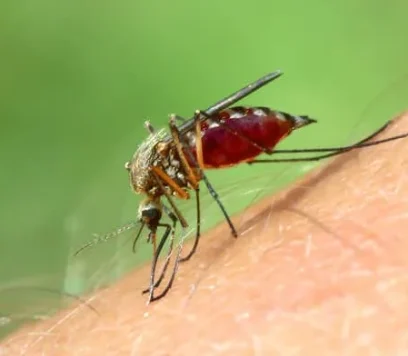
The chief factor is often food residue or a hidden damp area. Ants are also drawn to pantry items, pet food, recycling bins, and grease near appliances. If there is a small leak, high moisture, or damp wood behind a cabinet, that can make the kitchen more inviting.
Another reason ants keep returning is that the original nest may not be in the kitchen at all. The obvious trail may only be a route from an outdoor nest, wall void, or floor opening. This is why simple wiping alone frequently fails if you do not tackle the actual nest location and the entryways they are using.
What kind of ants are common in Toronto homes?
Various species appear regularly in Toronto homes, and understanding which one you are dealing with helps determine the right treatment.
Pavement ants are some of the most common species found around Toronto foundations, sidewalks, and kitchen floors. They are small, blackish, and often seen along baseboards or near gaps under sinks. These ants usually enter through narrow cracks and are often linked to sidewalk edges, driveways, and foundation lines.
Odorous house ants are another frequent nuisance. When crushed, they may emit a strong smell, which is how they got their name. They are highly persistent indoor invaders and often build trails toward sweets, spills, and moisture. They can move quickly through wall voids and appear in surprising spots, which makes them hard to eliminate without a smart baiting strategy.
Carpenter ants are the species that raise the biggest concern. They do not eat wood, but they can hollow it out to build nests. In Toronto houses, especially older structures with damp framing or roof leaks, carpenter ants may signal structural moisture problems. If you are seeing larger black ants, frass, or activity around windows, trim, or basement joists, that deserves a careful inspection.
All of these species behaves differently. Pavement ants often follow predictable trails and may respond to baiting quickly. Odorous house ants can split into multiple satellite nests if treated incorrectly. Carpenter ants often require a closer inspection and both interior treatment and exterior treatment to address the source.
How to eliminate ants safely, fast, and effectively
The quickest way to minimize an ant problem is to remove attractants, target the colony, and close off access. A effective first response combines sanitation, exclusion, and the appropriate product use.
Start with surface cleaning. Wipe counters, sweep floors, clean under appliances, and remove food spills immediately. Use a sanitizer on counters, especially where you have seen trails. This helps remove the scent trails and reduces trail pheromones that guide more ants to the same area. Do not forget to clean around pet bowls, recycling bins, and the inside of cupboards where crumbs may collect.
Next, use ant bait or bait stations rather than spraying the visible ants if you want a longer-term solution. Bait works by letting worker ants carry the product back to the colony. This can be more effective than a quick knockdown spray because it reaches hidden ants and may affect the nest. For many kitchen infestations, baiting is a key part of the control plan.
Also inspect for entry points around sinks, baseboards, vents, and pipes. Small openings should be sealed with caulking. If there are cracks in trim, tile grout, or utility penetrations, take time to seal cracks carefully. Exclusion is one of the best ways to reduce repeat activity.
If ants keep appearing, the issue may need a more targeted pest control Toronto response. A trained exterminator can identify the species, locate the nest, and choose a mix of baiting, non-repellent products, and residual treatment when needed. That is especially useful when activity is persistent or spread through wall spaces.
For safety, avoid overusing sprays near food prep areas. Follow label directions carefully and keep products away from dishes and open food. If you are unsure whether the ants are coming from inside the wall or outside, a professional can often narrow it down faster through inspection and monitoring.
DIY ant control vs expert pest control Toronto
Many homeowners try DIY ant control first, and for a minor trail of pavement ants, that may be enough. Careful cleaning, placing bait stations, and closing visible cracks can solve a minor issue. DIY works best when the infestation is limited, the colony is small, and you can clearly identify the access points.
However, a larger level of infestation problem usually needs expert treatment. If ants are appearing every day, extending to multiple rooms, or returning after repeated cleaning, the source may be hidden deep in the structure. In older Toronto houses and multi-unit buildings, ants can travel through shared walls, utility chases, and basement cavities, making the problem more difficult to eliminate without expert help.
People often search pest control near me or best pest control near me when they need a quick response. That is common in Toronto because ant issues can worsen quickly, especially when a kitchen infestation starts affecting food prep. Many residents want same day or next-day help when trails appear suddenly.
A professional service can also decide whether baiting alone is enough or whether an approach using non-repellant products and targeted residual treatment makes more sense. That can be essential for odorous house ants and carpenter ants, where the wrong product may scatter the colony or create repeat activity.
DIY is usually best for minimal activity and visible access points. Professional service is better when the problem is long-lasting, hard to locate, or tied to damp structural areas. In short, DIY helps you handle the symptoms, while a trained technician is more likely to tackle the root cause.
How much does pest control Toronto run for ants?
The pest control Toronto cost for ant treatment depends on the species, property size, access difficulty, and whether the issue is inside the kitchen, outside the home, or both. A straightforward service call for a minor ant problem will usually cost less than a more involved treatment involving wall voids, exterior nesting sites, or recurring seasonal activity.
Across the province, pest control cost Ontario varies by city and by the type of service required. Toronto pricing may differ from smaller markets, and homeowners often compare pest control prices near me before booking. Search interest is also common in surrounding areas such as pest control mississauga, pest control brampton prices, and pest control hamilton prices, especially when people want to understand whether city-based pricing is similar.
A number of clients also compare options farther afield, such as pest control london ontario, pest control kitchener, pest control edmonton prices, and pest control fredericton nb. You may even see people looking up business names like adams pest control fredericton or adams pest control moncton while comparing services. Those searches reflect how quickly homeowners assess service quality and response times across regions, even if they ultimately hire nearby.
For ants, the overall price may also vary based on whether the technician suggests an inspection first or builds it in as part of the initial visit. An inspection can identify nest location, entry points, and whether the issue is limited or part of a wider pest pattern. If there is a need for follow-up visits or monitoring, the price can increase as needed.
Customers frequently wonder about additional pest services too, like cockroach exterminator toronto cost, how much is pest control for mice, or sometimes diy fumigation for mice. These questions suggest that homeowners are typically reviewing pest services and treatment methods before hiring a provider. Ant control is typically simpler than bed bug or rodent work, but it still benefits from a proper assessment.
As a reference, specialized professional services like bed bug heat treatment toronto, cost of bed bug treatment, and heat treatment for bed bugs cost are usually separate from ant services because the method, gear, and risk profile are completely different. This is why a accurate service call matters: it helps clarify exactly what you are being charged for and what the treatment includes.
When ants might signal a bigger pest problem
Ants do not always mean ants alone. In some cases, a kitchen ant problem signals a larger moisture or structural issue that may also attract additional pests.
If you are seeing carpenter ants, look for damp wood, window leaks, roof issues, or old trim that may be softening. Carpenter ant activity can indicate a hidden problem in the framing, basement, or attic. Because they prefer moist, decayed wood, their presence often overlaps with broader maintenance concerns.
An inspection becomes even more important if you notice signs of mice or cockroaches at the same time. Crumbs, leaks, and entry gaps can attract more than one pest. Rodents and roaches both benefit from the same sanitation lapses that draw ants, so a kitchen infestation may be the first visible sign of a larger housekeeping or sealing issue.
Do not ignore repeated trails near appliances, under sinks, or in basement-linked kitchens. In Toronto homes with older foundations, a pest problem can spread from one zone to another through hidden routes. A technician may recommend interior treatment, exterior treatment, and exclusion work together to stop the broader infestation cycle.
Mosquito Man Toronto224 King St W #2401, Toronto, ON M5J 0A6, Canada
+16472437241
https://maps.app.goo.gl/VbxNrosScd6ZL8U39
https://mosquitoman.ca/pest-control/toronto/
JJX7+23 Toronto, Ontario, Canada
How to keep ants from coming back again in Toronto
Lasting prevention depends on reducing attractants, managing moisture, and sealing off access. The first step is ongoing food storage. Keep pantry items sealed, store sugar, cereal, and pet food in tight containers, and avoid leaving fruit or baked goods exposed on the counter.
Next, focus on moisture control. This matters especially in the GTA, where humid kitchen and bathroom areas can make ant prevention harder. Fix leaks under sinks, dry dish areas after use, and run exhaust fans where needed. Even a small moisture source can keep ants returning, especially odorous house ants and carpenter ants.
Weatherproofing also matters. Seal gaps around windows, doors, vents, and pipe entries. Replace worn weather stripping, and use quality caulking to close tiny access points. This is part of effective exclusion, and it helps block future foragers from entering the kitchen.
Ongoing prevention is especially important in Toronto because spring and summer bring more ant activity, but fall can also push pests indoors as temperatures shift. That is why seasonal prevention should include both indoor sanitation and exterior maintenance. Clear debris from the foundation, trim vegetation away from walls, and check for nests near patios, sidewalk edges, and basement windows.
Finally, keep monitoring for any new trails. If you spot recurring activity in the same place, there may still be an unsealed gap or hidden colony nearby. Catching the issue early keeps a small ant problem from becoming a full kitchen infestation.
Answers about ant control in Toronto kitchens
What is the best way to eliminate ants in a Toronto kitchen?
The quickest method is to tidy the area carefully, clear away food spills, place ant bait near active trails, and block obvious entry points. Removing ants away without addressing the colony usually gives only short-term relief. If the activity is severe or keeps returning, a pest control Toronto service can find the source faster.
Why do ants return after I clean my kitchen?
These pests often come back because cleaning clears away the https://toronto-onqo049.cavandoragh.org/how-to-prevent-pigeons-away-from-your-toronto-balcony visible mess but not the scent trails, nest location, or entry points. They may still be finding a food residue, moisture source, or tiny crack to travel through. Persistent repeat activity usually means the colony is still active nearby.

Are ant sprays or ant baits better for kitchen infestations?
For most kitchen infestations, ant bait is more effective than spraying because worker ants carry it back to the colony. Sprays may destroy visible ants but can miss the hidden nest untouched. A baiting strategy is often better when paired with cleaning and caulking.
How much does pest control Toronto cost for ant treatment?
The pest control Toronto cost for ants depends on the species, the size of the infestation, and whether an inspection or follow-up service is needed. Prices also vary relative to pest control cost Ontario in other cities, so homeowners often compare pest control prices near me before booking. A service call for a basic problem is usually cheaper than a recurring or structural problem.
When should I call a professional exterminator for ants?
Call a professional exterminator if the ants keep coming back, if you think you have carpenter ants, if you cannot find the nest, or if the infestation is moving into several areas. Expert help is also a smart choice if you need same-day or next day service and are already searching for pest control near me or best pest control near me. In Toronto homes and condos, prompt action can prevent a small problem from becoming a larger one.